
What's Changed in the AI Landscape?
By 2026, the professional world looks quite different. AI proficiency, once a niche skill, has become a basic requirement across almost every industry. It's no longer enough to simply know AI exists; you need to apply it practically and develop with it strategically. The digital realm now demands individuals who can either effectively use AI tools or actively build the systems that power them. This shift has created two distinct—yet equally vital—learning paths: the AI Power User and the AI Builder. This split, clearly visible in the developer job market, means your career is increasingly defined by your ability to orchestrate AI or, conversely, to compete directly with its capabilities. Traditional coding skills, for example, are evolving. The focus now leans towards designing intelligent systems where AI assists in code generation, all under human guidance.
The Core Transformation of AI Accessibility
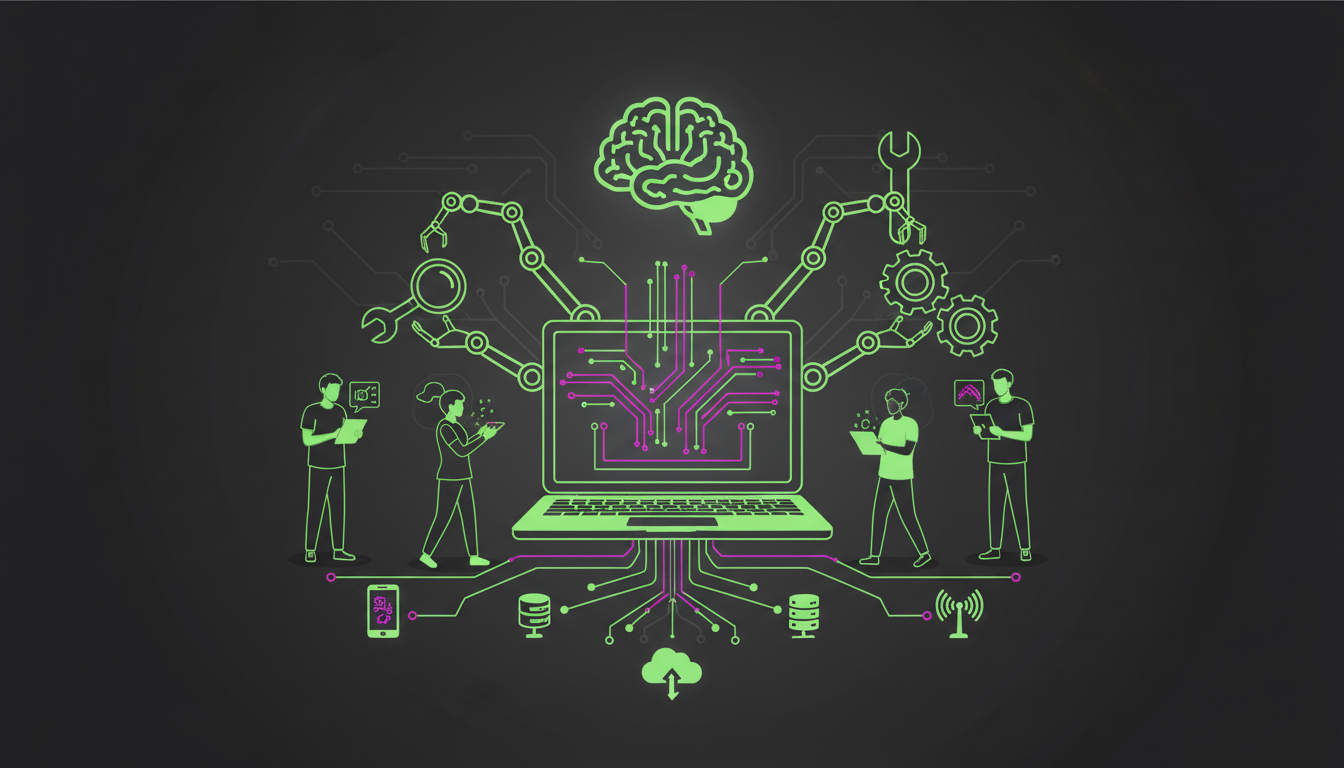
The biggest change lies in how accessible and necessary AI has become. Before, AI development was reserved for highly specialized researchers. Today, the tools and knowledge are far more democratized. For you, the AI Power User, this shift means immediate value. You'll focus on leveraging existing AI tools to boost your output, automate tasks, and improve your daily workflows. Think of it this way: you're learning to drive the AI car. Your "time to value" is remarkably short—often just days—as you master prompt design and utilize powerful large language models (LLMs) like ChatGPT, Claude, and Gemini. These "Big Three" LLMs have become essential for quick, effective AI interaction. Furthermore, the rise of local AI solutions, such as LM Studio, lets power users run open source AI models directly on their machines. This addresses privacy concerns and offers greater control over your data.
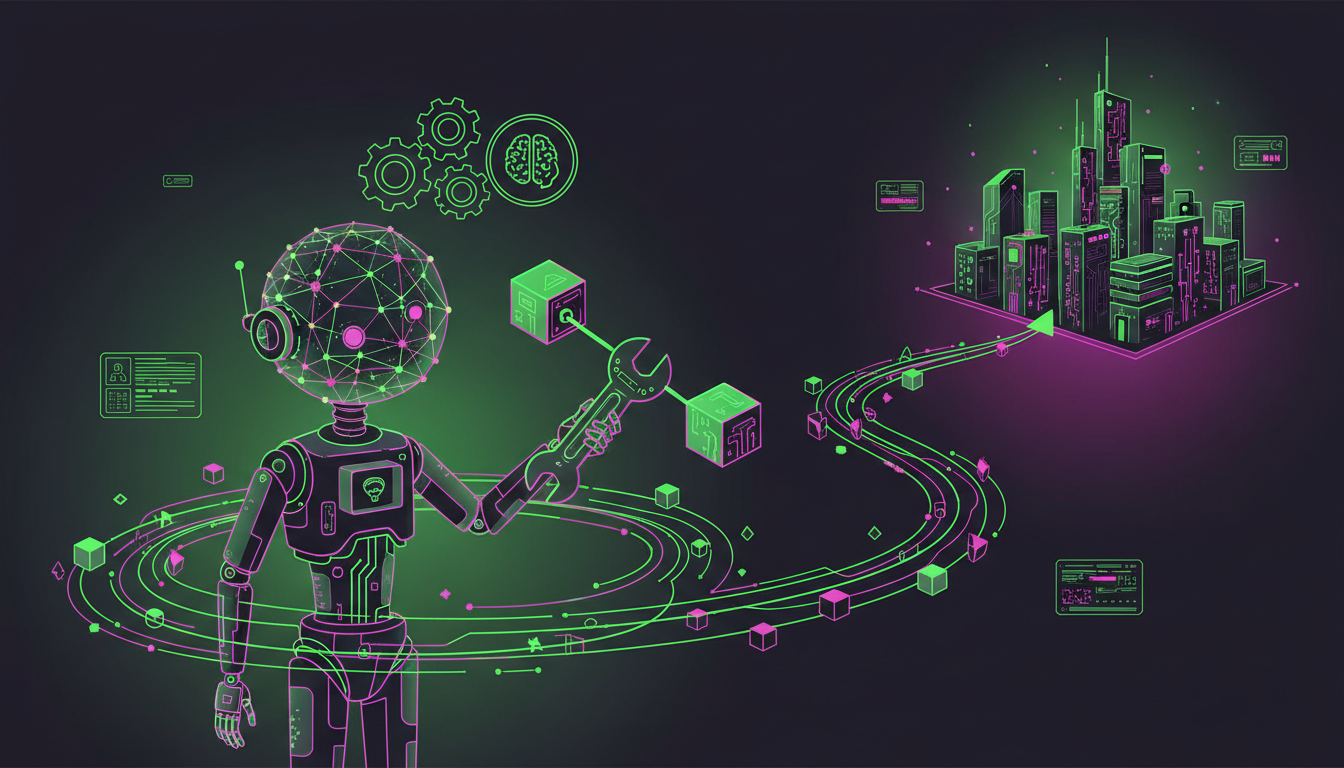
For the AI Builder, the transformation runs deeper. This path requires a significant dive into mathematics, Python programming, and a serious time commitment—we're talking months, not days. Builders are the engineers who design and construct the AI cars themselves. They delve into data science, machine learning architectures, and the nuances of AI development. The developer job market now clearly distinguishes between those who orchestrate AI systems and those whose roles might be displaced by it. For builders, the emphasis is on designing systems where AI assists in writing code, effectively shifting their role from pure coder to AI architect. This involves mastering frameworks like LangChain, building complex LLM applications, and understanding how to implement and benchmark various open source AI models. The ability to run and customize these models locally isn't just a privacy feature; it's a fundamental skill for innovation and adaptation.
How This Impacts Your Career Path
This evolution directly affects your career trajectory and daily work, no matter your current role. If you're a professional looking to boost productivity and efficiency, becoming an AI Power User is a clear must-do. Learning effective prompt design—a structured approach involving defining Role, Context, Task, Constraints, and Format—will unlock significant gains. Imagine automating report generation, summarizing vast documents, or even drafting emails with unprecedented speed. The immediate benefits are tangible: more time for strategic thinking, less for repetitive tasks. Moreover, exploring open source AI models for local execution offers a layer of data security and customization that proprietary solutions might not provide. This means you can experiment and innovate without sending sensitive information to external servers.
For those with a technical background, or aspiring to one, the AI Builder path offers a high-ceiling career. The demand for individuals who can develop, deploy, and manage sophisticated AI systems is growing exponentially. This isn't just about coding; it's about understanding the entire AI lifecycle, from data preparation to model deployment and ethical governance. Learning to work with various open source AI models, understanding their strengths and limitations, and contributing to their development positions you at the forefront of technological innovation. This path requires dedication, but it promises roles that shape the future of software and engineering. You'll be designing the intelligent infrastructure that powers tomorrow's world, making you an indispensable asset in an AI-driven economy.
Considerations Finais: Your Next Steps in AI
The choice between becoming an AI Power User or an AI Builder isn't about one being better than the other; it's about aligning with your goals and current skill set. Both paths are essential for navigating the professional landscape of 2026 and beyond. For immediate impact and enhanced productivity, embrace the AI Power User roadmap. Focus on mastering prompt engineering and leveraging the "Big Three" LLMs. Crucially, explore open source AI models for local use, gaining privacy and control over your data. Tools like LM Studio provide an accessible entry point here.
If you're inclined towards deeper technical engagement and long-term innovation, the AI Builder path awaits. This journey demands commitment to learning Python, data science, and advanced AI concepts. Critically, immerse yourself in the world of open source AI models and frameworks. Contributing to these communities and understanding their architectures will sharpen your skills and position you as a leader in AI development. Remember, the future of engineering isn't about competing with AI, but about orchestrating it. Your proactive engagement with these learning paths, especially with the flexibility and transparency offered by open source AI models, will define your success in this evolving technological era. What will you build or empower next?