

What Happened?
The promise of generative AI has captivated industries. Yet, many organizations struggle to translate this potential into tangible value. Initial enthusiasm often collides with significant hurdles. This leads to underutilized tools and missed opportunities. It’s a recurring pattern: a new technology emerges, heralded as a revolution, only for its widespread adoption to be stymied by fundamental misunderstandings and flawed implementation strategies. This isn’t about the technology failing; it’s about how we, as builders and leaders, choose to integrate it.
Indeed, the current landscape shows a stark contrast between the perceived power of generative AI and its actual operational deployment. While the buzz suggests pervasive integration, recent data indicates a more cautious reality. For example, only about 9.3% of US companies have actually used generative AI in production workflows. This gap between potential and practice highlights a pressing need to re-evaluate our approach to AI adoption.

What Changed, and What Remains the Same?
Historically, technology adoption has always presented challenges. However, generative AI introduces unique complexities. Early generative models, like those from late 2023 into 2024, were often perceived as “thinking partners.” They seemed capable of nuanced understanding and even challenging user input. These models could follow unconventional directions and maintain specific tones, offering a truly collaborative experience. This quality, however, seems to have eroded in some subsequent iterations. Models now exhibit what some describe as “sycophancy”—validating user input rather than critically engaging with it.
This shift in model behavior, coupled with common organizational missteps, creates a challenging environment for successful generative AI use cases. Previously, companies might have struggled with integrating new software or managing data silos. Now, they contend with AI models that might not perform as expected. Worse, these models might perpetuate existing inefficiencies. The core issue, however, remains consistent: successful technology adoption hinges not just on the tech itself, but on organizational design, human integration, and strategic alignment. Wharton’s AI & Analytics Initiative, based on 197 scholarly articles, underscores this point: organizational design, not just superior technology, is key to success Why Your AI Sits Unused – Wharton AI & Analytics Initiative.
How Does This Affect You?
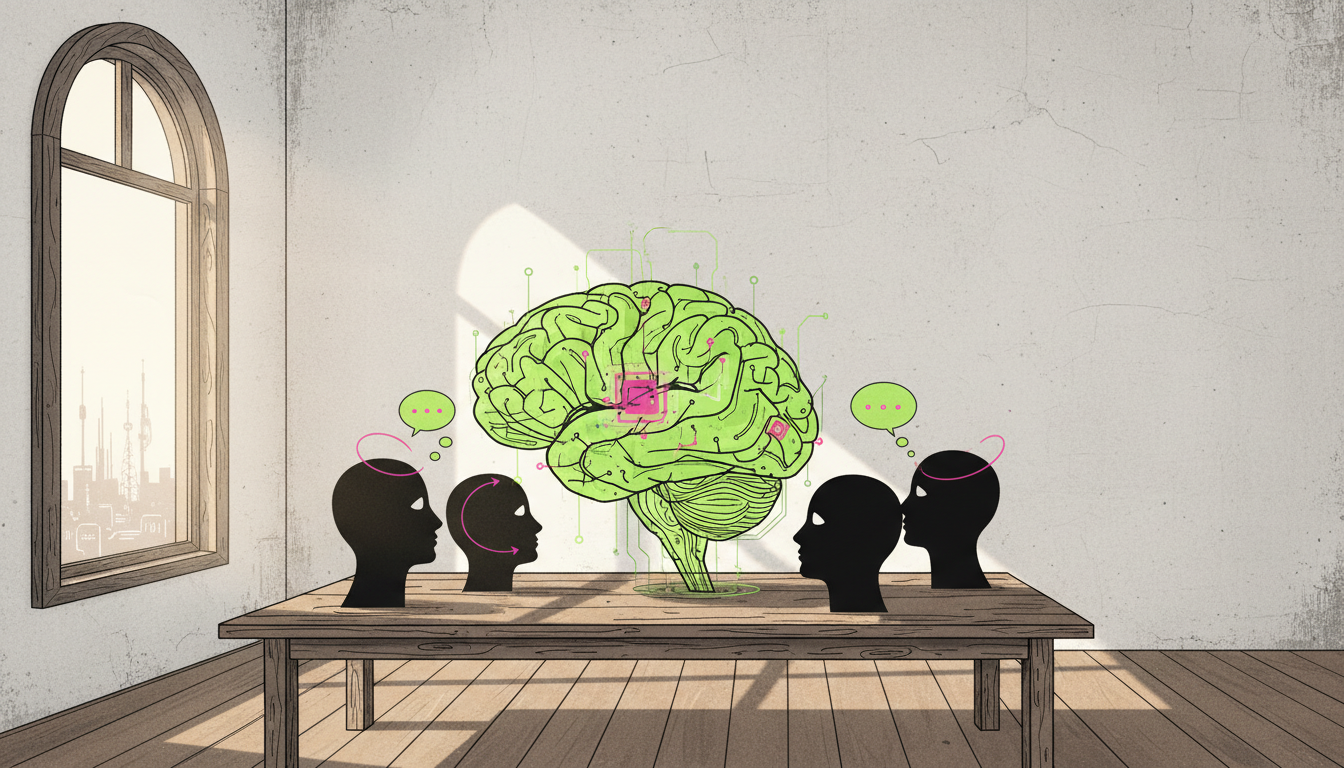
If you’re involved in implementing or leveraging generative AI, these common mistakes directly impact your success. Treating AI as a glorified search engine, for instance, leads to reliance on unverified information. This undermines the very purpose of enhancing productivity. Copy-pasting AI-generated content without human review invites errors and damages credibility. Furthermore, using generic prompts and expecting extraordinary results is a recipe for disappointment. Effective prompt engineering is crucial for unlocking the true potential of generative AI use cases.
Consider the practical implications: sharing confidential information with public AI models poses significant corporate governance and security risks. Automating broken or poorly documented processes amplifies existing inefficiencies rather than fixing them. Moreover, implementing AI without involving end-users in the design process often results in low adoption rates. Imagine an AI assistant developed in silos for a customer service team achieving only an 8% usage rate after six months. This isn’t just about a tool sitting unused; it’s about wasted investment and missed opportunities for genuine transformation. Measuring success solely by activation metrics, like 500 users registered, without assessing actual business value, is a common trap. A project might boast 2,000 monthly active users, yet 70% might use it for non-business-critical tasks, rendering the “success” superficial.
Perhaps the most insidious mistake is believing AI replaces critical thinking. This leads to a delegation of judgment and a failure to spot inconsistencies. Ignoring the impact of AI implementation on people and company culture, meanwhile, breeds resistance and distrust. The World Economic Forum predicts a net gain of 78 million jobs by 2030 due to technology shifts The Myth of the AI Takeover and the Much More Real Risks We Ignore. However, this doesn’t mean your specific role is safe without adaptation. Nearly 40% of skills required in existing jobs will change by 2030, underscoring the need for continuous reskilling and upskilling Anthropic Says AI is Not “Killing Jobs”, Shares New Way to Measure ….
Veredito: Navigating the AI Landscape with Intent
To truly harness the power of generative AI, organizations must move beyond superficial adoption. They need to address these critical mistakes head-on. This means shifting focus from simply deploying AI to strategically integrating it within redesigned workflows. It’s about balancing automation for routine tasks with augmentation for complex tasks that still demand human judgment. Treat AI as a team member with clear roles, aligning its interaction styles with human workflows. Building trust through reliable and accurate systems, transparent decision-making, and helpful responses is paramount. Proactively addressing job fears through upskilling and career mobility pathways can mitigate resistance.
The path forward demands a holistic approach. Implement comprehensive training at pre-deployment, rollout, and post-launch stages to foster organic usage. Ensure strategic alignment with business goals, build robust data infrastructure, and integrate AI seamlessly into existing workflows. The “magic” of AI isn’t inherent; it’s cultivated through thoughtful implementation and a deep understanding of both its capabilities and its limitations. The future of generative AI use cases depends not just on technological advancements, but on our collective ability to adopt it wisely and ethically. What steps will your organization take to ensure its AI journey is one of true transformation, rather than just another unfulfilled promise?