
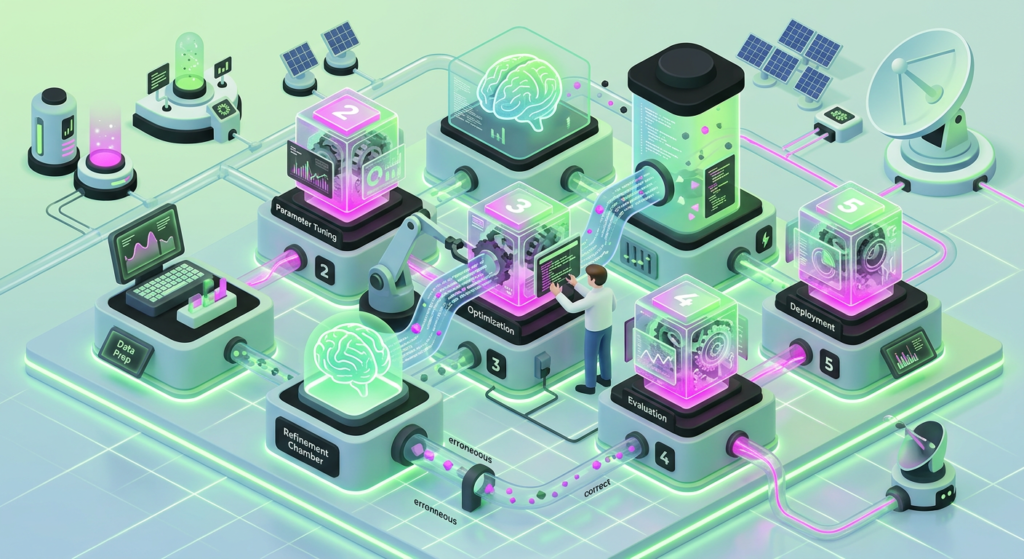
The landscape of large language model (LLM) fine-tuning has shifted radically as of March 2026. What was once a specialized, high-cost laboratory process is now a standardized workflow. This evolution allows developers to align models with specific organizational data while maintaining strict data sovereignty. Fine-tuning LLMs is no longer just about fixing broken outputs—it is about embedding domain-specific knowledge directly into the model's weights.
Modern techniques like LoRA (Low-Rank Adaptation) and QLoRA remain the industry standards for efficiency. These methods allow developers to customize 8-billion-parameter models using just 12 GB of consumer-grade GPU memory. This accessibility has moved advanced AI development from massive server farms to local workstations and private clouds.
Essential Tools for Local and Open-Source Workflows
Unsloth has become the go-to solution for local, resource-efficient fine-tuning. It enables rapid iterations while keeping sensitive corporate data within on-premise infrastructure. This local-first approach satisfies the growing demand for privacy without sacrificing the speed of development.
Axolotl provides the necessary framework for teams requiring maximum flexibility. This open-source tool supports diverse model architectures and training paradigms. It remains a preferred choice for organizations that prioritize customizability and deep control over their fine-tuning LLMs pipelines. Both tools have effectively democratized the ability to create specialized models that outperform general-purpose counterparts in niche tasks.
Enterprise Managed Services and Specialized Alignment
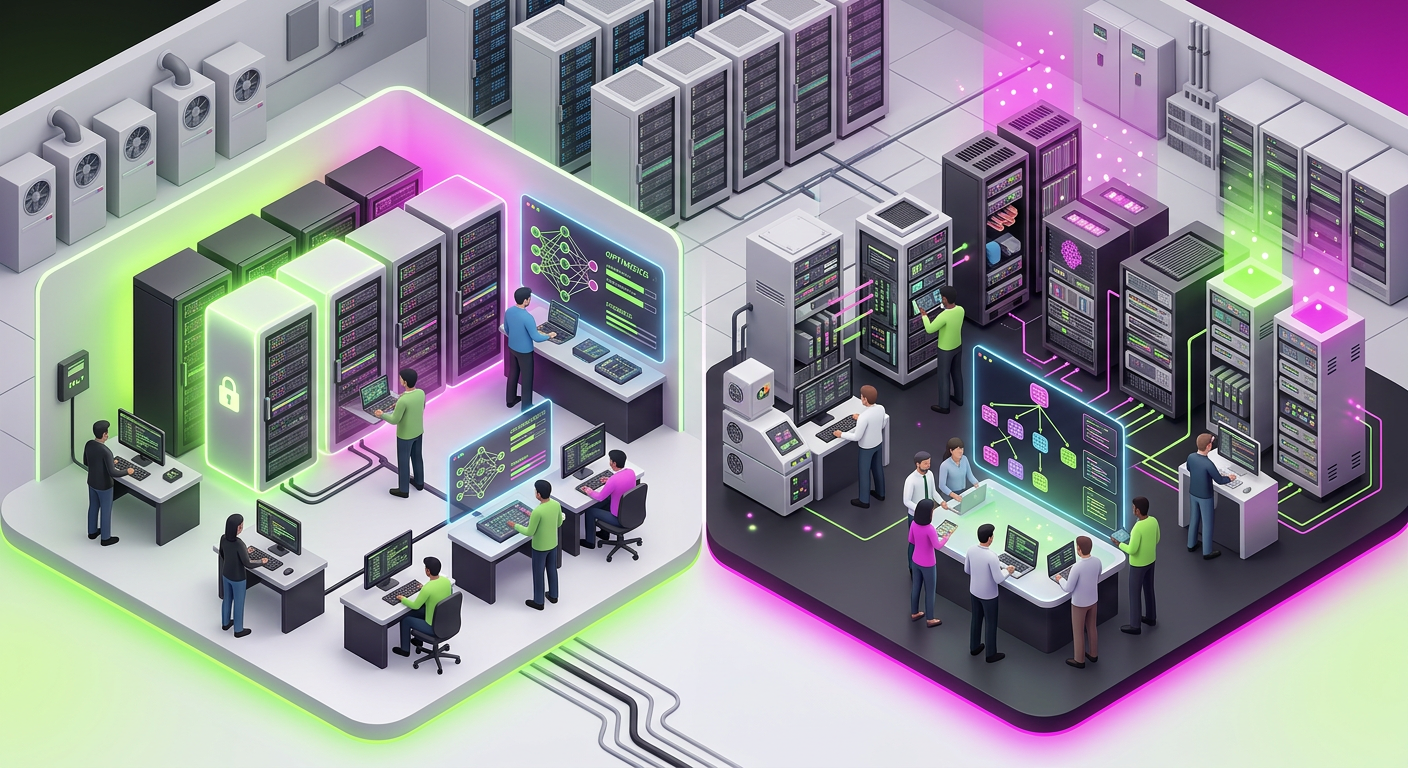
Anthropic’s Claude Enterprise tier offers a managed path for high-end reasoning. By utilizing "Constitutional AI" alignment, it provides a secure environment for fine-tuning. Pricing for the Claude 4.6 Opus model currently sits at $5 per million input tokens and $25 per million output tokens. This service targets enterprises that demand ethical guardrails alongside sophisticated model behavior.
Azure OpenAI Service continues to dominate the scalable deployment market. It integrates OpenAI’s latest models with enterprise-grade security and compliance. For regulated industries like finance and healthcare, Adaptive ML offers specialized reinforcement learning from human feedback (RLHF). This platform ensures models meet stringent behavioral requirements and industry standards, further reducing the risk of factual errors.
Performance Gains and Data Efficiency
High-quality results now require surprisingly small datasets. Most successful fine-tuning LLMs projects in 2026 use between 500 and 10,000 curated examples. This efficiency is paired with massive context windows—frontier models like Qwen3.5 and Claude 4.6 now support up to 1 million tokens in beta.
Performance benchmarks show the impact of these optimizations. Qwen3.5-397B-A17B delivers up to 19 times higher decoding throughput than previous generations. These gains prove that fine-tuning is the most effective way to transform a general assistant into a reliable corporate asset. The focus has moved from simply increasing model size to refining how these models handle specific, high-stakes professional knowledge.