The year 2026 is a pivot point for artificial intelligence. Merely adopting AI is no longer a differentiator; the goal now is making it work for your organization. For any
tech blog providing real value, understanding the shift from experimental tools to pragmatic impact is essential. We have moved past “innovation theater.” The current focus rests on operational efficiency and clear revenue generation. If your AI initiatives fail to deliver these, you risk joining the 29% of companies currently facing a disillusionment gap.
Audit Your AI Initiatives for This Tech Blog
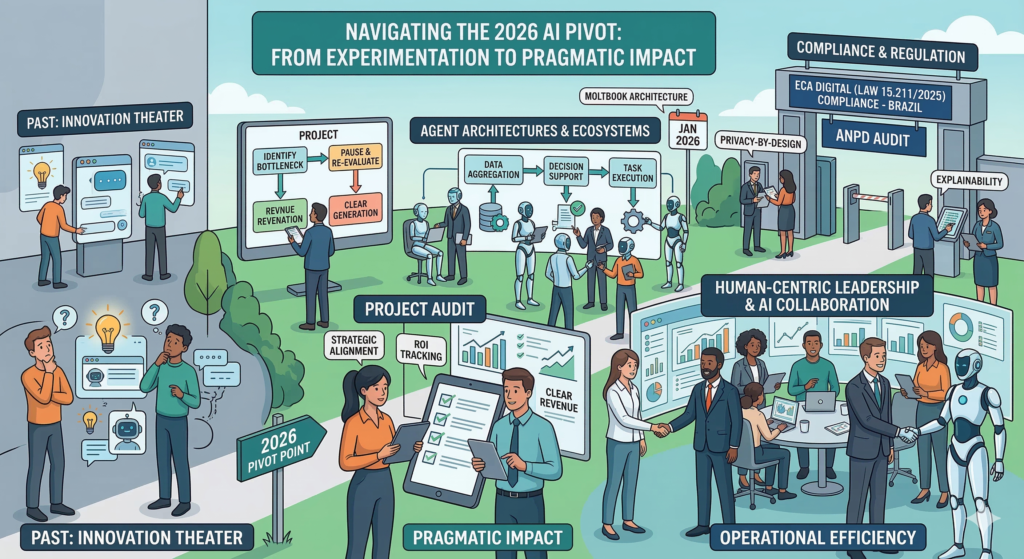
Audit your current projects before investing in new tools. Many companies report a 95% adoption rate for Generative AI but struggle to find a clear ROI. This gap usually stems from a lack of strategic alignment. Treat AI as a capital investment. Every project requires a defined business purpose. Identify the specific bottleneck the tool solves. If you cannot explain how a model reduces rework or lowers costs, pause the project. Re-evaluate. Most organizations stumble because they chase technology without a problem to solve.
Identify your most pressing challenges first. If customer support is overwhelmed or data analysis is too slow, explore how autonomous agents can provide a targeted solution. A problem-first mindset is the single most important factor for success in this
tech blog landscape. Avoid starting with a tool and searching for a use case. This approach leads to wasted resources and failed implementations.
Move Beyond Prompt Engineering to Agent Architectures
Generative AI was the starting point, but the future belongs to autonomous agent ecosystems. This shift involves moving from single-use tools to interconnected, intelligent workers. The launch of Moltbook in January 2026 illustrates this change. The platform reached over 2 million AI bot profiles in its first week. These are not simple chatbots—they are agents designed to interact and execute tasks within defined workflows. For builders, this means designing systems where AI agents autonomously handle complex processes from data aggregation to decision support.
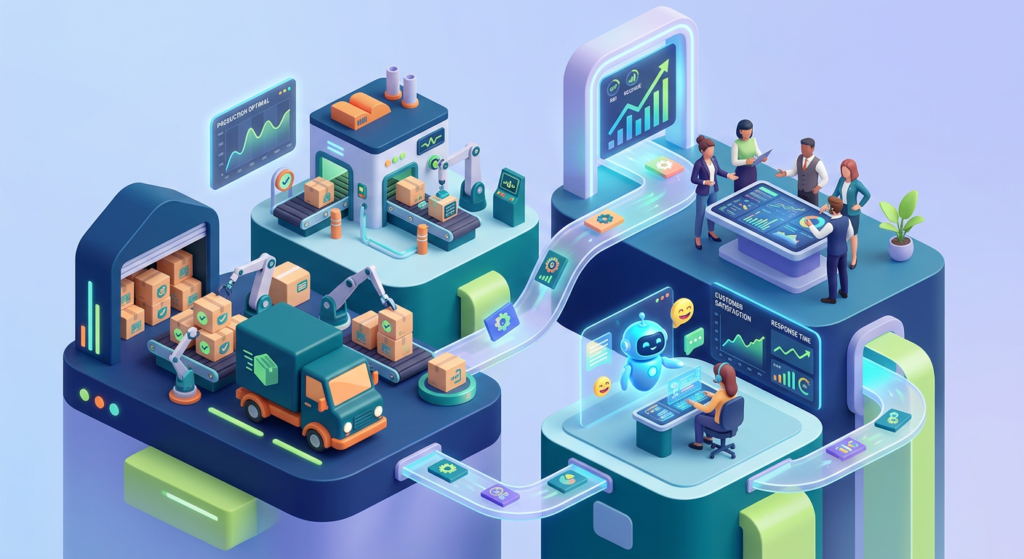
Consider a customer service workflow. Instead of a human manually pulling data from multiple systems, an AI agent gathers customer history and initiates a resolution process before a human intervenes. This frees talent for complex, empathetic interactions. Your role shifts from managing individual models to orchestrating entire agent ecosystems. You must ensure seamless communication and task hand-offs between these digital workers.
Compliance and the ECA Digital Mandate
The regulatory environment is tightening. In Brazil, the ECA Digital (Law 15.211/2025) officially took effect on March 17, 2026. This law, combined with a strengthened National Data Protection Authority (ANPD), mandates strict transparency for AI platforms. Ignoring these regulations leads to legal issues and reputational damage. Compliance is now a core technical requirement, not an afterthought.
Engineers must build AI systems using privacy-by-design principles. You must be able to explain why an AI agent made a specific decision and trace the data it used. These are now legal requirements under the new 2026 framework. Ethical governance is a necessity for any organization operating in the digital space. Integrating these protections early prevents costly re-engineering later.
Human-Centric Leadership in an Automated World
Human leadership remains paramount despite the surge in automation. The challenges of 2026 are about talent management and ethical oversight. Discussions at SXSW 2026 emphasized that human leadership is often the missing piece in the global AI debate. Automation redefines human judgment rather than eliminating it. Leaders must foster a culture where humans and AI collaborate effectively.
Training teams to work alongside AI agents is a priority. Develop clear ethical guidelines to ensure AI initiatives align with organizational values. The goal is to augment human capabilities, allowing staff to focus on high-value creative tasks. A successful AI strategy in 2026 relies on this blend of technical prowess and human foresight. Scaling impact requires more than just automation—it requires a sustainable vision for how technology serves the business.