

AI, powered by deep learning fundamentals, transforms repetitive developer tasks into automated processes. This guide shows you how to apply these principles. You'll learn to reduce friction, accelerate onboarding, and achieve measurable enterprise impact. We'll draw lessons from real-world product management.

Identify Developer Friction Points
Before you even consider AI, understand where your developers struggle. Pradyumna Kodgi at Oracle, for example, saw skilled engineers bogged down by repetitive integration tasks. Think about data structure definitions, mapping, validations, and error handling. These are all manual and time-consuming. This created bottlenecks, especially in complex environments like healthcare and retail, with hundreds of integrations.
Consider your own team. What tasks do they dread? Where do new developers spend weeks just getting up to speed? Often, these are the exact points where AI can make a difference. The goal is to free up your experts. This allows them to focus on innovation, not rote configuration. It's not about replacing talent; it's about amplifying it.
Validate Repetitive Tasks
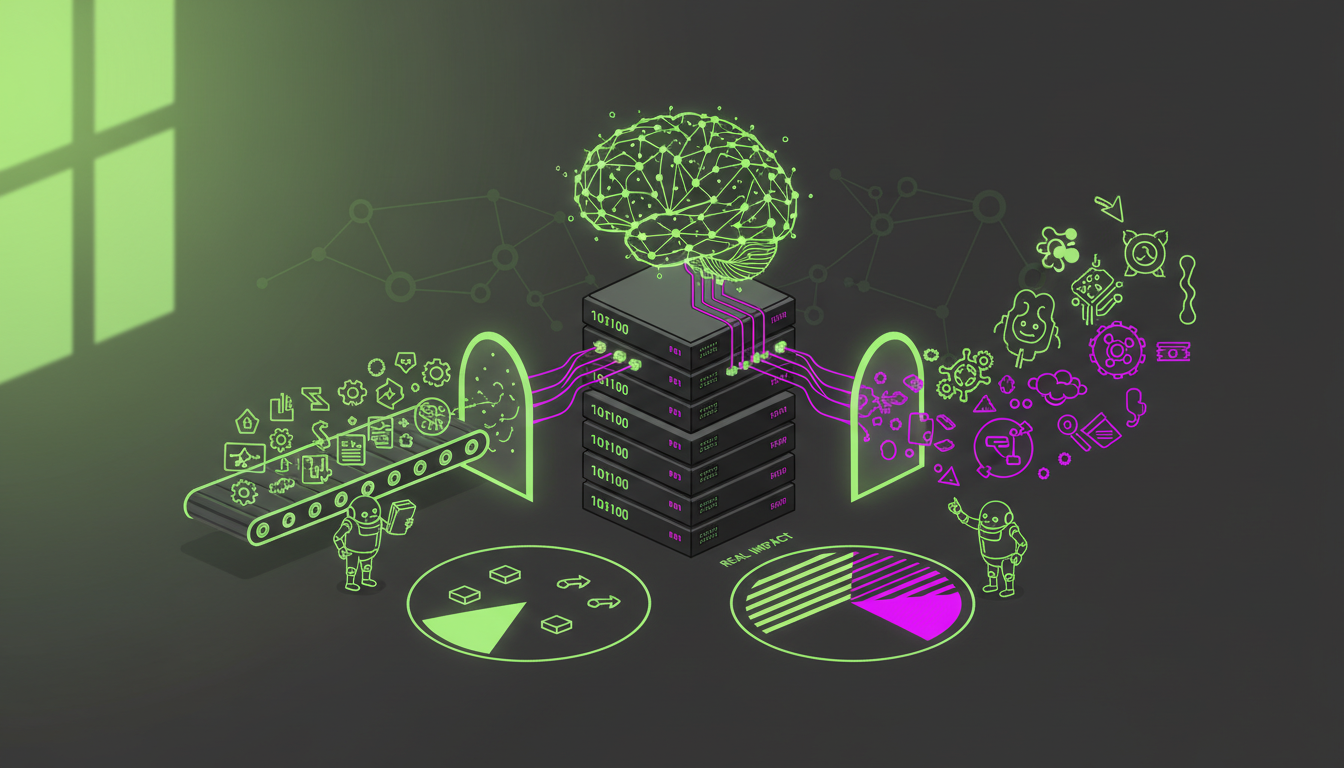
Don't just assume a task is repetitive—prove it. Kodgi's team analyzed platform telemetry from over 2,000 customers. What did they find? Over half of new integrations were essentially copies of existing ones. Furthermore, 60-70% of an integration's initial structure followed the same pattern every single time. This data is critical. It confirms that a significant portion of work is predictable and, crucially, automatable.
Gather your own data. Look at your codebase, your deployment logs, or even conduct developer surveys. Are there common patterns in bug reports? Are certain configuration files almost identical across projects? This quantitative validation provides the foundation for your AI solution. It shows you where deep learning fundamentals can truly shine by identifying and replicating these patterns.
Apply Deep Learning Fundamentals to Automate
Now, deep learning fundamentals come into play. Once you've identified repetitive tasks, you can design an AI system to automate them. Imagine a system that learns from existing integration patterns—the data structures, mappings, and validation rules. Then, when a developer starts a new integration, it automatically suggests or even generates the initial setup.
This isn't magic; it's pattern recognition at scale. Deep learning models, specifically neural networks, excel at finding complex, non-linear relationships within vast datasets. By feeding them examples of successful integrations, they learn the underlying structure and intent. Consequently, the system can predict what a developer needs. This reduces manual effort and prevents common errors. This proactive assistance turns weeks of onboarding into days, or even hours.
Implement a Product-Led AI Solution
Kodgi's insight was clear: the product itself needed to automate these tasks. This means embedding AI directly into your development tools or platform. Developers shouldn't need to call a separate AI service; the intelligence should be part of their natural workflow. Microsoft's approach with GitHub Copilot and Microsoft 365 Copilot offers a good parallel here. They made AI visible and accessible, encouraging experimentation on low-risk tasks.
Start small. Implement AI for the most impactful, repetitive tasks first. For instance, an AI-powered code completion tool could understand your project's specific conventions. Or a system might automatically generate boilerplate code based on a few input parameters. The key is to integrate AI as a helpful assistant, not a complex external dependency. This approach makes AI a natural extension of the developer experience.
Measure and Iterate for Enterprise Impact
After implementing your AI solution, measure its impact. While specific metrics for Oracle's case weren't fully detailed, the qualitative benefits were clear: reduced onboarding time, fewer bottlenecks, and faster project delivery. You need to quantify these gains. Track things like time saved on repetitive tasks, reduction in configuration errors, or faster time-to-market for new features.
However, be aware of potential pitfalls. The “AI brain fry” phenomenon, for example, highlights mental fatigue from excessive AI use. The “productivity paradox” shows that while AI compresses task times, workers might not get their time back—instead, companies demand more output. Therefore, continuous monitoring and feedback are essential. Adjust your AI tools to ensure they truly empower developers, not overwhelm them. This iterative process ensures your AI delivers sustained, measurable enterprise value.
Veredito
Applying deep learning fundamentals to solve real-world developer friction is a powerful strategy. It's about understanding pain points, validating repetition with data, and then deploying intelligent automation directly within the tools developers use. This isn't just about efficiency; it's about creating a more engaging, productive environment for your engineering teams. The result? Faster project delivery, higher quality code, and a tangible impact on your organization's bottom line. But remember, the true test of AI's success lies not just in its power, but in how thoughtfully we integrate it into human workflows, ensuring it augments, rather than diminishes, our collective potential.